
Modern enterprises are expanding beyond physical storefronts, meeting their customers halfway through more varied, convenient channels like websites, social media, and other communication platforms. This article explores omnichannel engagement and what it can do for businesses, as well as the typical channels businesses use in their omnichannel strategies.
Omnichannel engagement is a business effort to connect all communication and engagement channels, bridging physical and digital touchpoints to deliver a frictionless, unified customer journey. It enhances the discovery, purchasing, and customer care experience by accommodating a customers’ preferred channels, while maximizing the value brands derive from every interaction.
A traditional multichannel setup’s main focus is expanding reach. It ensures brands remain present where their customers are. However, these channels operate in silos separate from each other, with no unified record of a customer’s interactions. This may lead to disjointed customer experiences, i.e. a customer can purchase an item from an online store and still get promotional messages for it.
While both involve more than one platform, the main difference between omnichannel and multichannel is that the former runs key information from each touchpoint through a central database. This enables customers to seamlessly transition across channels and pick up right where they left off.
A 2025 collaborative survey by MoEngage and Marketoonist highlights the widespread use of digital channels among B2C marketers. Learn more about key channels, and how they build stronger engagement for businesses in different ways:
Today’s consumers navigate multiple channels throughout their buying journey to research and compare products before committing to a purchase. Research indicates that 73% of shoppers worldwide engage with at least three channels prior to completing a transaction. This shift makes it imperative for brands to deliver an uninterrupted, cohesive experience as buyers transition between touchpoints.
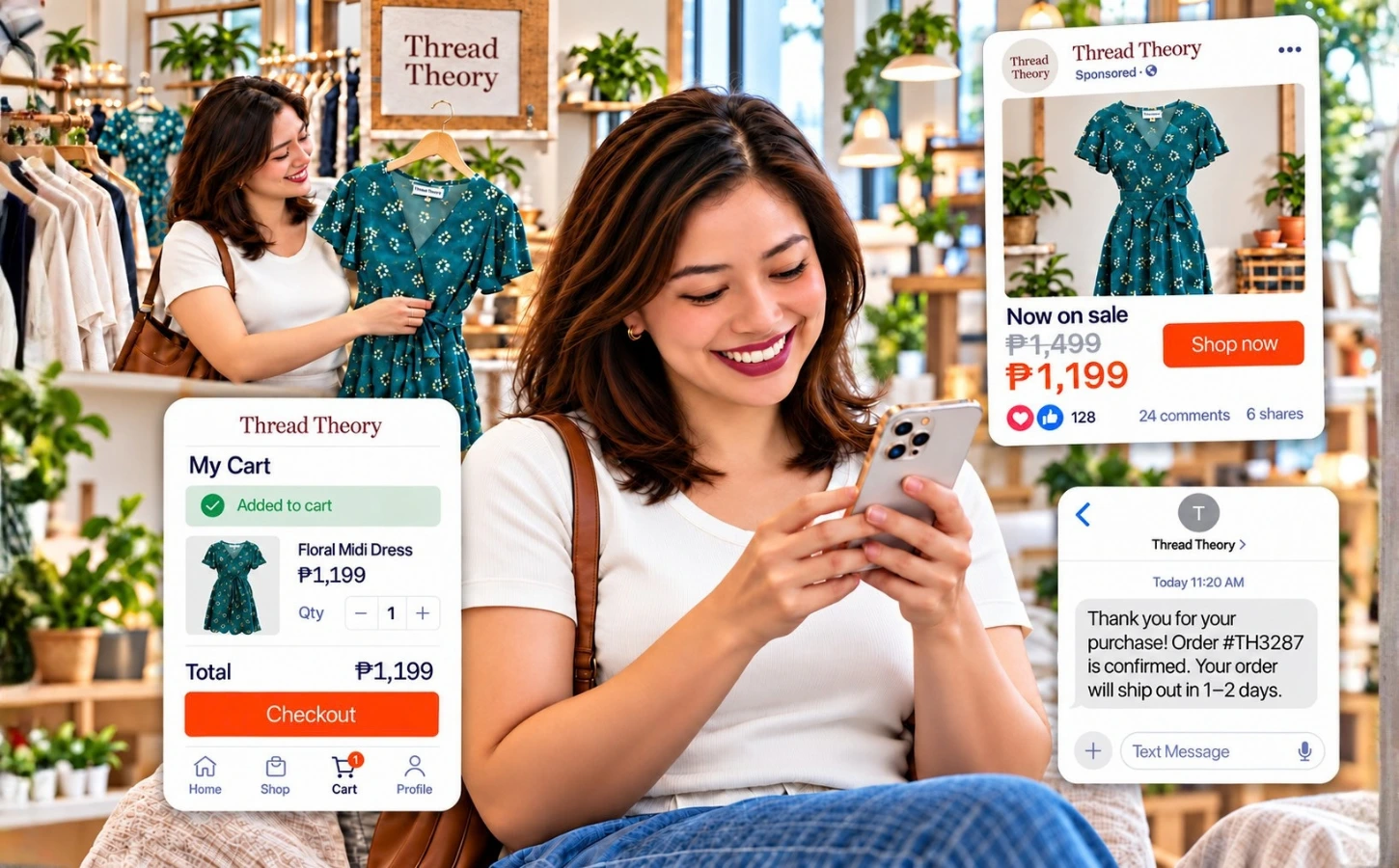
Implementing an omnichannel strategy gives teams complete visibility into the end-to-end customer journey. For example, a shopper can add an item to their cart on an online store and find it immediately synced when they log in to a mobile app to check out. This eliminates friction across platforms and creates a superior customer experience that drives long-term brand value.
An Aberdeen Research study highlights that businesses with a robust omnichannel framework enjoy an average 91% year-on-year increase in customer retention rate.
Centralizing customer data across touchpoints enables a cohesive end-to-end journey that consistently delivers positive experiences. When transactions remain effortless, orders arrive on time, and support teams address concerns promptly, customers naturally return due to their confidence in a brand's reliability on top of the purchases they actually make.
An omnichannel strategy consolidates customer data across touchpoints, providing a more comprehensive view of consumer behavior. These insights help brands identify customer preferences and purchasing patterns, enabling more targeted campaigns and personalized product recommendations. This personalized marketing can lift revenues by 5 to 15 percent and increase marketing ROI by 10 to 30 percent, driving higher conversions, repeat sales, and a stronger bottom line for businesses.
Customer support teams gain immediate access to real-time context, including past inquiries, order histories, and ongoing support tickets. When a customer reaches out via chat, email, or social media to resolve an issue or check on a case, representatives can instantly review previous touchpoints. This eliminates the need for customers to repeat their issues or re-explain past progress, enabling support agents to resolve inquiries faster, reduce handling times, and deliver a more efficient customer service.
Adopting omnichannel engagement is an advantageous move, but it takes a well laid-out plan to drive real results. That’s where RUSH Omnichannel Engagement comes in, a suite of specialized systems that connect business communication touchpoints - and customer data - seamlessly.
Effective customer engagement starts with matching the right capabilities to your specific goals. Because every business operates on a distinct scale, RUSH offers a robust catalog of solutions - from messaging campaigns, to journey automation, or even AI-powered conversational engagement - rather than forcing a rigid, one-size-fits-all framework.
From initial solution scoping through full activation, our team works closely alongside you, providing high-impact tools and hands-on support to execute a powerful engagement ecosystem.
Ready to transform your customer journey? Discover how you can implement Omnichannel Engagement, your way: https://www.rush.ph/omnichannel-engagement
What is the difference between omnichannel and multichannel engagement? In an omnichannel framework, customer data is centralized from several channels into a single database, enabling seamless transitions in the buyer journey. In contrast, a multichannel lacks this database, causing each channel to operate in silos without context or awareness of previous interactions.
Which channels should be included in an omnichannel strategy? B2C marketers commonly use email, social media, website, and mobile applications as core engagement channels for their business. Some of these touchpoints are more popularly used than the others, and may vary widely per industry.
How does omnichannel personalization improve engagement? Omnichannel personalization uses consolidated customer data to analyze consumer interest, habits, and behavior. These insights are then used to deliver more relevant content that customers are more likely to engage with.
How does an omnichannel approach improve customer loyalty and retention? An omnichannel strategy uses a single source of truth to bring more relevant content to customers. If businesses consistently provide customers with solutions, promos, and other content that aligns with their interests, trust and customer loyalty is built among its target audience.
How can RUSH Omnichannel Engagement help me implement an omnichannel strategy? RUSH offers a portfolio of solutions that address different omnichannel needs with varying complexity. We also offer end-to-end support, matching core solutions to your business’ engagement goals and exploring potential customizations that evolve alongside the growing needs of your brand.