
Everyone who runs a food business knows how fulfilling it can be. There’s something energizing about the rush of the kitchen, the satisfaction of serving customers, and the pride in creating something people genuinely enjoy.
But behind that fulfillment is a tougher reality. Competition is intense, costs are rising, and customers expect speed, convenience, and digital access. Growth today requires more than great food - it requires better systems.
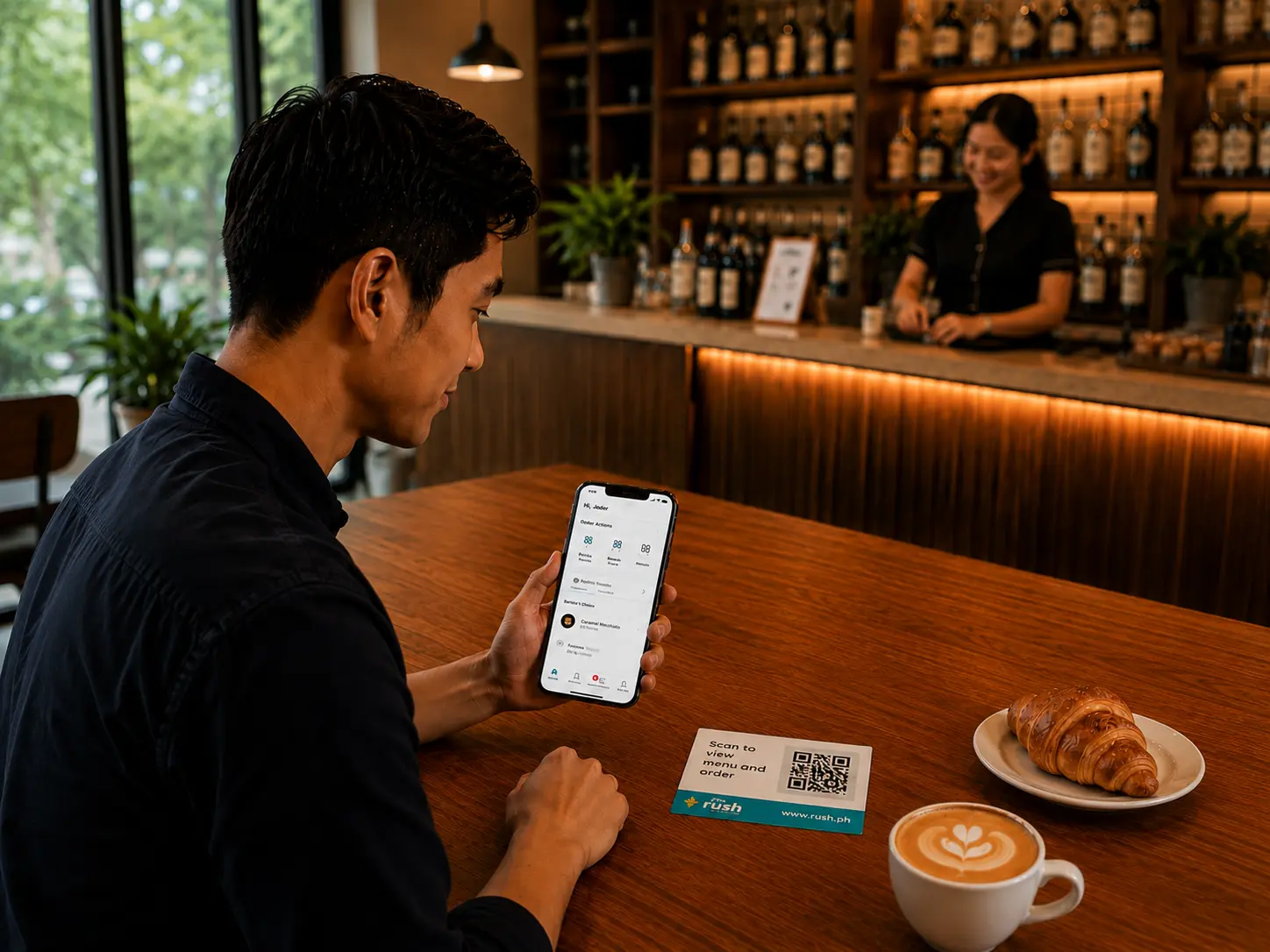
This is where eCommerce comes in. For food and beverage brands in the Philippines, eCommerce platforms are no longer just an online add-on. It has become an operational backbone that improves order management, expands reach, reduces reliance on third-party platforms, and strengthens direct customer relationships.
Here are seven food businesses in the Philippines using eCommerce to support smarter, more scalable growth.
But First, Coffee is a rapidly expanding coffee chain known for its affordable, grab-and-go beverages. In a high-volume environment where speed matters, digital ordering is built into daily operations.
By offering direct online ordering, the brand manages peak hours more efficiently and keeps promotions aligned across channels. This reduces pressure on in-store staff while providing clearer visibility into sales patterns.
Customers benefit from convenience. The business benefits from stronger repeat engagement and better demand forecasting.

Selling alcohol-infused gummy bears and sweets, Googie Candies operations are heavily affected by seasonal demand. They manage highs and lows with a structured online storefront. that allows customers to browse products, place pre-orders, and transact seamlessly. This reduces manual coordination and improves fulfillment planning during peak periods.
For niche F&B brands, eCommerce brings predictability and scale beyond walk-in sales.

Wok Alley is a fast-casual restaurant offering customizable wok-based meals. Where speed and coordination is critical to meet customer demands, digital ordering strengthens operational control.
By integrating direct eCommerce, the brand improves visibility into incoming orders and reduces reliance on aggregator platforms. This supports better kitchen flow and minimizes order errors during busy periods.
Digital commerce becomes part of the operational workflow, not just a marketing channel.
.webp)
Sevie Roast Coffee operates as both a café and a specialty coffee roaster. eCommerce extends its reach beyond in-store purchases.
Customers can order ahead or purchase retail coffee products online, reducing wait times and encouraging repeat purchases. Digital sales tracking also improves inventory planning for both beverages and packaged goods.
For specialty brands, eCommerce strengthens loyalty while improving operational visibility. Brands looking to drive repeat purchases can also explore structured restaurant loyalty programs that reward customers across digital and in-store transactions.

For over 20 years, Mamita’s PH has built a loyal following for its signature lasagna. What began as a home-based business has grown into a physical restaurant supported by online ordering.
Through eCommerce, Mamita’s expanded beyond its immediate locality and reached new audiences. Its presence on GLife within GCash further increased brand visibility, exposing it to a broader digital customer base.
By combining tradition with digital accessibility, the brand strengthened both reach and relevance.

Hanako Express Japanese is known for affordable and filling tempura and Japanese meal selections. With multiple branches, accessibility has always been central to its appeal.
By incorporating eCommerce, Hanako made it easier for customers to locate nearby branches and complete orders digitally. This improved convenience while helping streamline coordination across locations.
For multi-branch restaurants, digital ordering enhances both customer access and operational efficiency.
Salido serves contemporary Filipino cuisine rooted in regional ingredients and a farm-to-table philosophy.
Through eCommerce, customers can identify nearby branches that can fulfill their orders quickly. This improves accessibility while reinforcing the brand’s commitment to customer convenience.
Digital tools help bridge culinary craftsmanship with modern expectations.
.webp)
Across these seven brands, one pattern is clear: eCommerce is no longer just about selling online. It is about operating with better visibility, stronger customer relationships, and more structured systems.
Businesses looking to understand how digital tools work together can explore this complete guide to digitizing your business in 2026 to see how online storefronts, loyalty systems, and customer data integrate into one structured setup.
As the Philippine F&B market continues to evolve, the brands that treat eCommerce as part of their core infrastructure, not just a marketing channel, will be better positioned to scale with clarity and control.
If your brand is ready to strengthen its digital ordering capabilities, RUSH eStore provides a structured online storefront designed for direct transactions, operational efficiency, and full control over customer data.
Book a demo today to see how RUSH eStore can support your next stage of growth.
eCommerce improves order management, reduces reliance on third-party platforms, increases visibility into customer demand, and strengthens retention through digital engagement. When treated as infrastructure rather than an add-on, it becomes a long-term growth asset.
Brands should assess whether they control customer data, enable direct ordering, keep promotions consistent across channels, and use systems that simplify daily operations. The goal is not just to be online, but to operate smarter.
A direct online storefront allows businesses to manage pricing, promotions, and customer relationships independently. This reduces commission costs and provides access to first-party data for marketing and retention strategies.
Structured eCommerce platforms streamline order flow, reduce manual coordination, and provide clearer sales tracking. This helps teams manage peak hours and improve fulfillment accuracy.
RUSH enables food brands to run structured online storefronts through RUSH eStore, supporting direct ordering, integrated payments, and full control over customer data. By owning their online channel, businesses improve order visibility, reduce reliance on third-party platforms, and operate more efficiently.