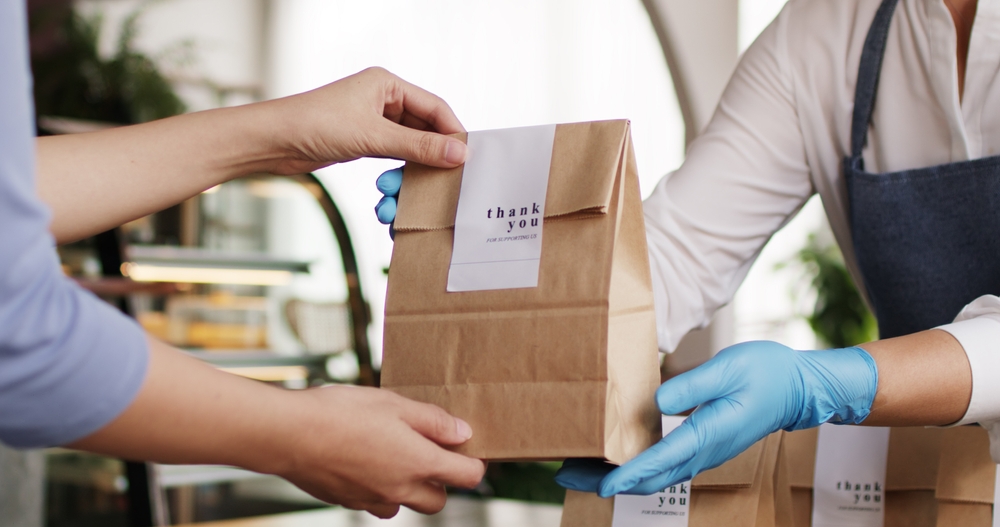
Unmindful mass production of materials and goods is one of the leading causes of environmental problems like pollution, climate change, global warming, improper waste disposal, and so much more - especially as consumption continues to grow through both physical retail and online store channels.
Scientists worldwide agree that immediate action is needed to address the existential threat to human civilization. People from different countries also feel the effects of this problem first-hand, causing the nagging need for businesses to be more eco-friendly now than ever.
A consumer insight survey in 2020 shows that 75% of Filipino consumers prefer eco-friendly brands. Because of this, many local companies consider including environment-friendly ways to reduce the impact of one’s shopping on the environment. Numerous efforts to lessen the environmental footprint are carried out, including sustainable online shopping.
What is sustainable shopping, and why must businesses care about it?

Sustainable shopping is the environmentally conscious act of purchasing goods. According to Sustainability Victoria, this act recognizes that all purchases have environmental, social, and health impacts.
The purchasing decision includes reviewing the raw materials used, the manufacturing process, packaging, and waste disposal procedures and ensuring every aspect is eco-friendly and socially ethical.
There are many reasons to shop sustainably other than protecting the environment. These reasons include the following:

The clamor for corporate responsibility is evident with the rise of YouTube channels like Future Proof, where big companies are reviewed based on sustainability, corporate practices, worker conditions, and more. The channel amassed 18 million views and counting.
The demand for sustainable shopping is unsurprisingly unparallel to the supply. First Insight and the Baker Retailing Center at the Wharton School of Pennsylvania published a report that shows interesting insights.
Here are some findings from the report.


Despite these statistics, there’s a clear disjoint in the demand and supply for sustainable shopping, but more companies are getting the message and making green adjustments in their processes. However, the standards are high, and companies need to keep up.
The times are changing, and people care more about the possible doom of people’s lives on the planet. According to the International Trade Administration, the sales for the Philippine eCommerce market reached $17 billion in 2021. These numbers mean more Filipinos are shopping online and are expected to reach $24 billion by 2025.
With more Filipinos shopping online, you can present eco-friendly products. You’ll be appealing to more audiences than you think. Ensure you catch up with sustainable online shopping with the best eCommerce solution provider.
Book a demo to see the RUSH solutions in action today.
What is sustainable shopping?
Sustainable shopping is the act of making purchases with environmental, social, and health impacts in mind - looking beyond convenience to consider how a product was sourced, manufactured, packaged, and disposed of. For consumers, it includes buying locally, choosing eco-friendly packaging, supporting ethical brands, and reducing unnecessary purchases. For businesses, it means taking responsibility for every step of the supply chain, not just the end product.
Do Filipino consumers actually care about sustainable shopping?
Yes, and the numbers back it up. A Kantar study found that 75% of Filipino consumers actively seek out brands that offer ways to offset their environmental impact, with 54% of C2DE households already taking consistent steps to reduce their footprint. Meanwhile, 60% of Filipino consumers say they research more before buying products that claim to be sustainable, which means greenwashing does not fly. The demand is real, but so is the scrutiny.
Why should Philippine businesses start caring about sustainability now?
Gen Z is the most commercially influential generation right now, and their sustainability standards are reshaping the purchasing decisions of older generations too. Research shows that Gen Z's influence has pushed 25% of Gen X consumers toward sustainable brands and increased their willingness to pay by 42%. With Gen Z projected to represent 27% of the world's income by 2030, businesses that do not adapt to this shift risk losing relevance with the very consumers who will drive the market for the next decade.
Are consumers willing to pay more for sustainable products?
More than most businesses expect. The data shows 58% of consumers across all generations are willing to spend more on sustainable options, yet two-thirds of retailers believe customers will not pay the premium. That gap is a missed opportunity. Businesses that align their products and messaging with sustainability are capturing a market that is already there and growing, while competitors are still assuming it does not exist.
How can traditional businesses in the Philippines practice sustainable shopping?
Shifting to an online store is itself a step toward sustainability since it eliminates the resource costs of additional physical branches like utilities, construction, and overhead. From there, businesses can focus on eco-friendly packaging, sourcing from local and ethical suppliers, reducing food waste through better order management, and being transparent about their practices. RUSH's eStore gives Philippine businesses the digital infrastructure to grow without expanding their physical footprint, making online growth a practical sustainability move.