In the pandemic's initial throes, the Philippines witnessed a staggering surge in online shopping, reshaping consumer habits. This boom became a catalyst, propelling established enterprises and aspiring entrepreneurs alike into the digital marketplace. For businesses looking to capitalize on this shift, building an online store that meets Filipino consumers where they already shop is increasingly the starting point.
However, the pivotal question lingers: has this unprecedented growth sustained its momentum? Is the online shopping frenzy still at its peak, or has it begun to slow down in its trajectory?
This article showcases the current state of this digital wave. If you're an entrepreneur looking for the optimal move, who believes understanding the present pulse of eCommerce is crucial, read on!
Here’s how the Philippine eCommerce industry is doing according to the numbers:
The analysts attribute the near doubling of the industry in a mere five years to increased internet penetration and continued support by government programs. They predict a compound annual growth rate (CAGR) of 13.78% for the period (2023-2028).
A significant number (57%) of Filipino buyers actively engage in online shopping. The number indicates the pervasive adoption and reliance on digital marketplaces for people’s shopping needs.
Filipino internet users, predominantly consisting of Gen Zs and Millennials, are increasingly utilizing e-commerce platforms for their retail needs. These platforms not only offer a diverse range of shopping options but also present competitive pricing, making them a preferred choice among online consumers in the Philippines.
The growth in eCommerce has also drawn the attention of many malicious actors looking to take advantage. Social engineering scams like phishing and smishing (text message phishing) are the most prevalent types at 50% and 42%, respectively.
In eCommerce, where financial transactions and personal information exchange are integral, the prevalence of digital fraud poses a significant risk. For online businesses, the consequences of falling victim to such schemes can include financial losses, compromised customer data, and damage to their reputation.
It becomes imperative for businesses to invest in cybersecurity measures, including employee education on recognizing and mitigating phishing threats, implementing advanced email and text message filtering systems, and staying abreast of emerging phishing techniques. Moreover, fostering a cybersecurity-aware culture among both businesses and consumers is essential.

Another pressing issue hindering eCommerce's growth is the need for guaranteed product quality. Reproductions and off-brand goods litter nearly all online marketplaces, which most survey respondents (54.45%) point to as the leading challenge to online shopping as of January 2023.
Online marketplaces are inundated with products of varying quality, and the lack of stringent quality assurances raises apprehensions among consumers. The absence of clear guarantees on the authenticity and durability of products contributes to a sense of uncertainty, deterring potential buyers from making confident purchasing decisions.
As the eCommerce landscape evolves, businesses must prioritize and assure product quality. Implementing robust quality control measures and fostering transparent product descriptions can contribute to building a more reliable and trustworthy online shopping environment.
According to survey respondents, eCommerce's slowed growth experienced in 2022 and onwards is due to two significant reasons. The first is that the pandemic has lowered many people’s spending power. Paired with returned access to physical stores, it has slowed the industry’s growth.
In the post-pandemic landscape, eCommerce platforms may need to adapt to cater to budget-conscious consumers. Offering value-driven promotions, competitive pricing, and flexible payment options could become crucial strategies to address the economic constraints faced by potential online shoppers.
eCommerce platforms will also need to differentiate themselves by emphasizing the unique advantages they offer, such as convenience, personalized experiences, and an extensive product range. Moreover, fostering seamless integration between online and offline channels, like omnichannel strategies, can enhance the overall shopping experience and cater to the evolving preferences of consumers who may engage in both digital and physical retail.

Understanding eCommerce trends and Filipino consumer behavior is paramount for successful selling strategies. These trends can help shape your playbook for the shifting digital markets.
Businesses recognize the importance of offering a unified shopping experience, blending the physical and digital, or equipping communication touchpoints with selling capabilities. In-store pick-up options for online purchases cater to diverse consumer behavior trends and preferences. Moreover, leveraging social media channels as sales platforms has become instrumental in engaging with customers on their terms.
For example, fast food chain Jollibee recently began allowing in-store pick-up of mobile and online orders to make their service more seamless. For businesses looking to build this kind of connected experience across channels, understanding how omnichannel customer experience works in Philippine retail is a practical place to start.
Logistics remains a significant barrier due to high operational costs and an inconsistent infrastructure network. Investments from the private and public sectors are slowly but surely improving this issue. However, there is still a need for better fulfillment centers, cross-border logistics networks, and last-mile delivery solutions to truly penetrate regional markets.
For instance, local F&B businesses face logistical challenges in reaching customers efficiently. Despite ongoing efforts by both private and public sectors to enhance the infrastructure, the need for more robust fulfillment centers, streamlined cross-border logistics networks, and effective last-mile delivery solutions persists.
Food delivery services, such as Grab Philippines, are actively addressing these challenges by expanding their reach beyond urban areas and navigating logistical hurdles to ensure timely and reliable deliveries for customers across different regions.

Efficient delivery services coupled with exceptional customer experiences are becoming game changers due to the mentioned logistics challenges. Online businesses can distinguish themselves by providing prompt delivery times and flexible options tailored to their preferences. Positive delivery experiences significantly influence repeat purchases and customer retention.
Online shopping behavior in the Philippines dictates the most sought-after product categories in online marketplaces. Typical categories include electronics, fashion, beauty and personal care, and household essentials. Factors influencing these choices revolve around competitive pricing, product quality, convenience, and brand reputation.
In the realm of Filipino online shopping, the trends in popular categories also extend to F&B marketplaces. The preferences for local and international culinary delights, snacks, and beverages are heavily influenced by factors such as unique flavors, artisanal qualities, and the reputation of the brands offering them.

Notably, as consumer tastes and market dynamics evolve, so do the trends in F&B categories, reflecting the changing preferences and adventurous spirit of Filipino online shoppers. Exploring F&B sections on platforms like GLife will provide a variety of options such as bakeries, desserts, fast food, groceries, and more to cater to online consumers’ evolving tastes.
Mobile commerce is a dominant force in the Philippines, with a large portion of online transactions occurring on smartphones. Filipino consumers increasingly prefer shopping through mobile apps due to their convenience, speed, and personalized experiences. For grocery retailers and food businesses in particular, having an online platform that meets the demand for mobile-first convenience has become a key driver of growth and customer retention.
Businesses that optimize their digital storefronts for mobile, offer seamless app-based checkout, and provide app-exclusive deals are better positioned to capture this growing segment of mobile-first Filipino shoppers.
While cash on delivery is still the most preferred payment option as of 2022, you can expect an increased presence from alternatives like digital wallets, credit cards, and other options. However, concerns persist regarding the security of online transactions, emphasizing the need for secure payment gateways to foster customer trust.
The six trends above point to one consistent direction: Filipino consumers expect seamless, mobile-ready, and connected shopping experiences. Businesses that adapt to these expectations, whether through better delivery options, omnichannel strategies, or social commerce integration, are the ones building lasting customer relationships in the Philippine market.
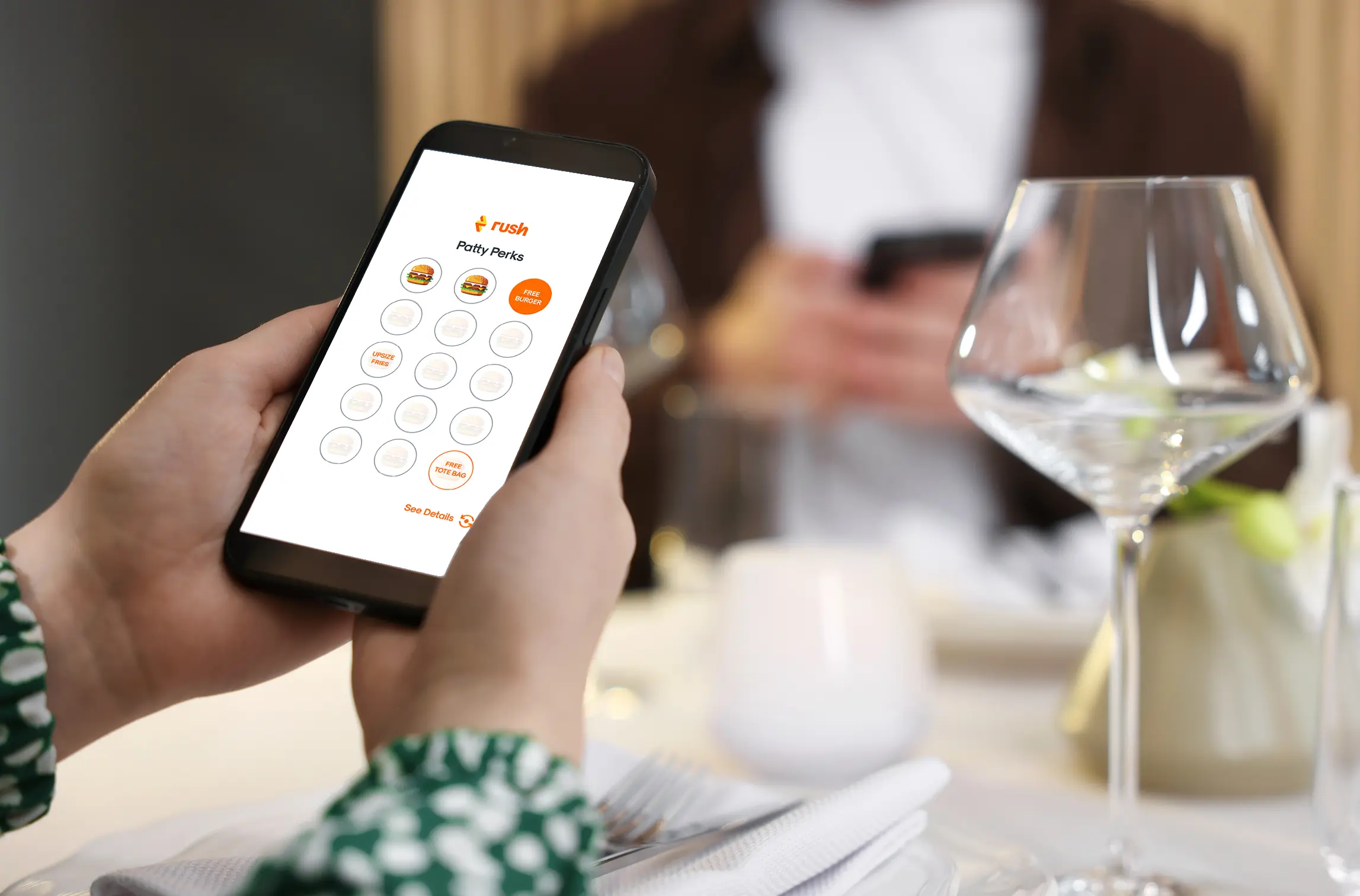
RUSH helps businesses meet these expectations with an all-in-one platform that includes a branded eStore, loyalty programs, and digital ordering tools designed for how Filipino consumers shop today. Whether you're scaling an existing operation or building your digital presence from scratch, RUSH gives you the tools to grow with confidence. Book a demo today to see how RUSH can support your business.
Top online shopping trends in the Philippines include omnichannel shopping, increased demand for fast delivery, mobile-first shopping and app usage, changing payment preferences, and higher expectations for customer experience and product quality.
Yes, online shopping in the Philippines continues to grow, but its pace has slowed compared to the pandemic peak due to reduced restrictions and changes in consumer spending power.
Major challenges of eCommerce in the Philippines include weak logistics infrastructure, digital fraud such as phishing and smishing, and consumer concerns about product authenticity and quality guarantees.
Adapting to online shopping means meeting customers wherever they are: online, in-store, or on their phones. RUSH helps businesses do this with an integrated eStore, QR-powered dine-in and scan-to-pay tools, and Loyalty programs that drive repeat visits.
Cash on delivery remains a widely used payment method, but digital wallets, credit cards, and other cashless options are becoming more common as online shopping adoption grows.