Philippine financial services are at a turning point. By 2026, digital transformation will shift from pilots to systems that must perform reliably every day.
Banks, wallets, and financial platforms face growing pressure from fintech competition, rising customer expectations for seamless digital access, and stricter regulatory requirements around data protection and cybersecurity. Companies must adjust accordingly without disrupting operations, in order to achieve system resilience, interoperability, and consumer trust.
The sections below outline the key digital, regulatory, and operational shifts shaping Philippine financial services toward 2026.
Mobile internet penetration continues to grow year-on-year, reinforcing the country’s mobile-first behavior. This has also driven strong mobile wallet uptake across Southeast Asia, led by the Philippines at a 63% adoption rate.
More Filipinos now manage their finances through their phones rather than in physical branches - paying bills, transferring money, checking balances, and topping up wallets often happen through apps and digital platforms. This behavioral shift has reshaped what customers now expect from financial services:
Digital services in Philippine financial institutions are no longer experimental. Mobile banking and digital wallets have moved from pilots to everyday use, becoming the primary way customers process transactions. Customers now expect 24/7, seamless, personalized digital access across channels (mobile app, web, chat, voice), not just occasional online service.
Digital finance is no longer just about having an app or enabling online payments. What truly matters today is how well digital services perform when customers depend on them day in and day out.
This includes making everyday functions such as transactions, digital onboarding, and customer support tools reliably available online. However, research shows that digital transformation alone no longer resonates with customers. Financial brands with staying power design experiences and incentives that deliver ongoing value beyond basic services.
Several changes are already influencing how financial services operate and will continue to do so in the coming years:
Security is no longer just a technical issue, it’s a business priority. In the Philippines, financial institutions must comply with Bangko Sentral ng Pilipinas regulations and the Data Privacy Act 2012 enforced by the National Privacy Commission. These regulations directly shape how digital services are designed, deployed, and operated.
Globally, financial regulators and industry bodies such as the Bank for International Settlements (BIS) highlight that system reliability and continuity are now as critical as innovation itself.
As digital services scale, downtime becomes more costly. Regulators are paying closer attention to system resilience and continuity. Tools that require constant attention or create new failure points are harder to justify.
This is why many institutions prefer digital layers that enhance existing systems instead of replacing them. Integration and modular platforms are the key enablers of scale. Instead of managing separate tools for payments, engagement, and reporting, institutions benefit from clearer integration and shared data. This reduces errors, shortens resolution times, and improves customer confidence.
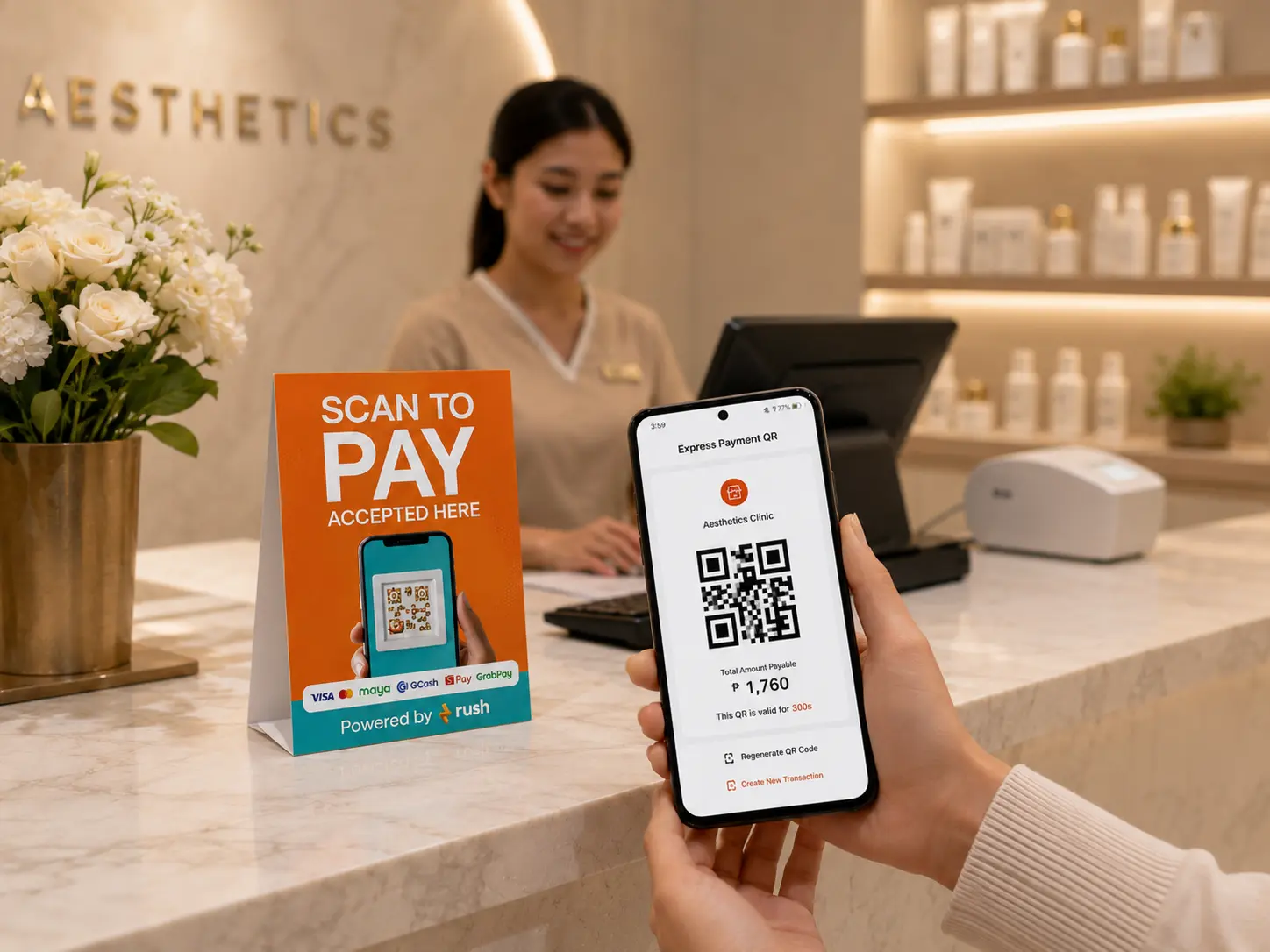
QR-based interactions have become part of everyday transactions. Customers increasingly prefer scan-and-pay experiences because they are fast, intuitive, and offer multiple payments options through a single interface.
Beyond payments, QR-based tools are now used to guide customers into digital journeys with minimal effort. These self-service flows allow customers to initiate transactions or service requests themselves, reducing friction, errors, and reliance on staff assistance. This approach improves service flow while lowering operational workload across both financial and retail environments.
In an increasingly crowded digital marketplace where basic transactional features (like mobile access and online onboarding) are expected, financial brands are placing growing emphasis on loyalty and rewards programs to drive deeper engagement and retention. Rather than simply offering discounts and deals, leading institutions are designing cross-product points systems that integrate multiple financial products and personalized incentives. These encourage customers not just to use services, but to stay and grow their relationship over time.
Additionally, evolving consumer expectations and competitive pressures are pushing loyalty programs beyond traditional reward mechanics toward personalization, digital integration, and experience-driven engagement. Customers increasingly expect loyalty benefits that are relevant to their financial behaviors and preferences, and accessible via digital channels. Program designs that leverage data analytics and digital touchpoints, including tiered benefits, partner rewards, and tailored offers, strengthen engagement and retention. This makes customers less likely to switch providers.
The digital shifts reshaping financial services this 2026 are already underway. Institutions that respond early are better positioned to adapt without disrupting core systems or customer experience.
If you’re evaluating how to modernize everyday transactions, streamline digital journeys, and strengthen engagement, RUSH’s Loyalty Points and Scan to Pay solutions offer practical ways to address these changes. Learn how they fit into your existing systems by booking a demo today.
How have customer expectations changed with digital finance?
Customers expect fast, always-available services across channels, with fewer steps and less friction than traditional in-branch processes.
What digital shifts will most impact Philippine financial services by 2026?
Wider digital banking use that extends to everyday transactions, stronger security standards, as well as higher expectations around system reliability and more relevant engagement.
Isn’t having a mobile app enough for digital transformation?
No. Apps are table stakes. Customers stay loyal when digital systems deliver consistent performance, value-added experiences, and incentives beyond basic transactions.
How should financial institutions approach digital transformation?
By choosing secure, scalable tools that integrate well and improve daily operations.
Where can I learn how Loyalty Points or eStore Scan to Pay work in practice?
You can explore how these solutions fit different use cases by booking a consultation or demo with our team.